_edited.png)
Vaccination and Immune Protection for Preterm Babies

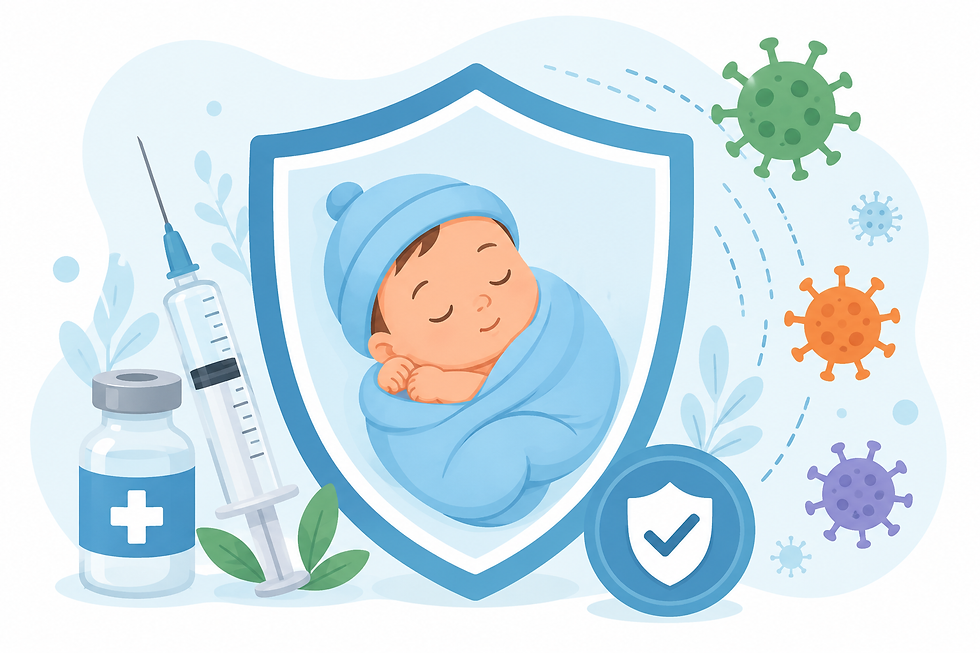
Bringing a baby into the world is a joyful experience for every parent. However, when a baby is born prematurely, parents often face additional concerns regarding the child’s health and development. Preterm babies, also known as premature infants, are born before completing 37 weeks of pregnancy. Because they arrive earlier than expected, many of their organs and body systems are not fully developed, including their immune system.
One of the most important aspects of caring for preterm babies is ensuring timely vaccination and proper immune protection. Vaccines play a critical role in protecting premature infants from serious infections and life-threatening diseases during the early stages of life. Since preterm babies are more vulnerable to infections compared to full-term infants, immunization becomes even more essential.
Parents often have questions regarding vaccine safety, timing, and effectiveness for premature babies. Understanding the importance of vaccination can help families make informed decisions and provide the best possible protection for their child’s health.
Understanding Preterm Birth and Immune Development
A full-term pregnancy usually lasts around 40 weeks. Babies born before 37 weeks are considered preterm. Depending on the gestational age, premature babies may be classified as:
Late preterm
Moderately preterm
Very preterm
Extremely preterm
The earlier a baby is born, the more immature their immune system tends to be. During the final weeks of pregnancy, babies receive important antibodies from the mother through the placenta. These antibodies help protect newborns from infections during the first few months after birth.
Preterm babies may miss out on a significant portion of this antibody transfer because they are born too early. As a result, they have lower natural immunity and are more susceptible to infections caused by bacteria, viruses, and other harmful organisms.
This increased vulnerability makes vaccination one of the most important preventive healthcare measures for premature infants.
Why Preterm Babies Are More Vulnerable to Infections
Premature infants face several health challenges due to incomplete organ development. Their lungs, digestive system, skin barrier, and immune response mechanisms are still developing after birth.
Several factors contribute to increased infection risk in preterm babies:
Immature Immune System
The immune system of a premature infant is not fully developed, making it harder for the body to fight infections effectively.
Reduced Maternal Antibodies
Most maternal antibodies are transferred during the third trimester of pregnancy. Preterm babies receive fewer protective antibodies before birth.
Frequent Hospital Exposure
Many premature infants require prolonged stays in neonatal intensive care units (NICUs), where exposure to infections can increase despite strict medical precautions.
Respiratory Vulnerability
Preterm babies often have underdeveloped lungs, increasing their risk of respiratory infections such as pneumonia and respiratory syncytial virus (RSV).
Lower Birth Weight
Low birth weight is commonly associated with premature birth and can further weaken the infant’s ability to resist infections.
Because of these factors, vaccination becomes essential for protecting preterm babies from preventable diseases.
Importance of Vaccination in Preterm Babies
Vaccination helps the body develop immunity against dangerous diseases without causing
the actual illness. Vaccines stimulate the immune system to recognize and fight specific infections if exposed in the future.
For preterm babies, vaccination provides several important benefits:
Protection Against Serious Diseases
Vaccines protect premature infants from infections such as:
Hepatitis B
Polio
Diphtheria
Tetanus
Pertussis (whooping cough)
Pneumonia
Rotavirus
Measles
Influenza
These illnesses can become severe and life-threatening in premature babies due to their weaker immune defenses.
Reduced Risk of Hospitalization
Vaccinated babies are less likely to develop severe infections that require hospitalization or intensive medical care.
Stronger Immune Response Over Time
Although preterm babies may initially have a weaker immune response, vaccines still help strengthen immunity and improve long-term protection.
Community Protection
Vaccination also contributes to herd immunity, reducing the spread of infections within families and communities.
Timely vaccination is especially important for families seeking guidance from the Best Pediatrician in Vijayawada to ensure comprehensive preventive care for preterm infants.
Are Vaccines Safe for Preterm Babies?
One of the most common concerns among parents is whether vaccines are safe for premature infants. Extensive medical research has shown that routine vaccines are generally safe and effective for preterm babies.
Healthcare experts recommend that most premature infants receive vaccines according to their chronological age, which is calculated from their actual date of birth rather than their expected due date.
For example, if a baby is born two months early, vaccines are still usually given based on the baby’s birth date.
Vaccines undergo strict testing and monitoring to ensure safety for all infants, including those born prematurely.
Some preterm babies may experience mild side effects similar to full-term infants, such as:
Mild fever
Irritability
Temporary soreness at the injection site
Sleepiness
Serious reactions are extremely rare, and the benefits of vaccination far outweigh the potential risks.
Vaccination Schedule for Preterm Babies
Most premature infants follow the standard childhood immunization schedule unless specific medical conditions require adjustments.
The vaccination schedule typically includes protection against:
Hepatitis B
The hepatitis B vaccine is often given shortly after birth. Timing may vary slightly depending on the baby’s birth weight and medical condition.
DTaP Vaccine
This vaccine protects against diphtheria, tetanus, and pertussis.
Polio Vaccine
Polio vaccination helps protect against a potentially disabling viral infection.
Hib Vaccine
Haemophilus influenzae type b vaccination prevents serious bacterial infections such as meningitis.
Pneumococcal Vaccine
Premature infants are at increased risk for pneumonia and bloodstream infections, making this vaccine particularly important.
Rotavirus Vaccine
Rotavirus can cause severe diarrhea and dehydration in infants. Vaccination helps reduce these risks.
Influenza Vaccine
Flu infections can be especially dangerous for premature babies. Annual flu vaccination is strongly recommended after the appropriate age.
Pediatricians carefully monitor each baby’s health status before administering vaccines to ensure optimal safety and effectiveness.
Special Considerations for NICU Babies
Many premature infants spend time in neonatal intensive care units after birth. During NICU care, healthcare providers closely monitor the baby’s medical stability before vaccination.
Vaccination is usually delayed only if the infant has specific medical complications or severe instability.
Even while hospitalized, vaccines remain essential because NICU babies may have increased exposure to infections.
Healthcare teams follow strict immunization guidelines to ensure premature infants receive appropriate protection at the right time.
The Role of Breastfeeding in Immune Protection
Breastfeeding provides additional immune support for preterm babies. Breast milk contains antibodies, immune cells, enzymes, and nutrients that help protect against infections.
For premature infants, breast milk offers several important benefits:
Improved immune protection
Reduced risk of infections
Better digestion
Lower risk of necrotizing enterocolitis
Enhanced growth and development
Breastfeeding does not replace vaccination but works alongside immunization to strengthen
overall immunity.
Mothers who cannot breastfeed directly may still provide expressed breast milk, which remains highly beneficial for premature infants.
Preventing Respiratory Infections in Preterm Babies
Respiratory infections are one of the biggest health risks for premature infants. Their underdeveloped lungs make breathing illnesses more dangerous.
In addition to routine vaccines, healthcare providers may recommend preventive measures such as:
RSV Prevention
Respiratory syncytial virus (RSV) can cause severe lung infections in preterm babies. Certain high-risk infants may qualify for preventive antibody treatments during RSV season.
Flu Vaccination for Family Members
Parents, caregivers, and siblings should receive flu vaccines to reduce the risk of transmitting infections to the baby.
Hand Hygiene
Frequent handwashing helps minimize infection spread.
Limiting Exposure
Avoiding crowded places and contact with sick individuals is especially important during the first months of life.
Families consulting the Best Pediatrician in Vijayawada often receive personalized guidance on protecting premature babies from respiratory infections.
Common Myths About Vaccination in Preterm Babies
Many misconceptions about vaccines can create confusion and fear among parents. Understanding the facts is important for making informed healthcare decisions.
Myth: Preterm Babies Are Too Weak for Vaccines
Fact: Premature babies are actually at greater risk for severe infections, making vaccination even more important.
Myth: Vaccines Should Be Delayed Until the Baby Gains Weight
Fact: Most vaccines are recommended according to chronological age rather than weight.
Myth: Vaccines Can Overload the Baby’s Immune System
Fact: Babies encounter countless germs daily. Vaccines contain only small amounts of antigens designed to safely stimulate immunity.
Myth: Natural Immunity Is Better Than Vaccination
Fact: Contracting serious infections can be dangerous and life-threatening for preterm infants. Vaccines provide safer protection.
Healthcare providers play a key role in educating parents and addressing vaccine-related concerns.
Monitoring Vaccine Responses in Preterm Infants
Premature babies may sometimes require closer observation after vaccination, particularly if they are extremely preterm or medically fragile.
Healthcare providers monitor for:
Breathing changes
Heart rate fluctuations
Feeding difficulties
Fever
Temporary apnea episodes
These reactions are generally mild and manageable. Monitoring ensures that any concerns are addressed promptly.
Despite these considerations, vaccines remain highly beneficial and essential for protecting vulnerable infants.
Long-Term Benefits of Vaccination
Vaccination provides lasting health benefits that extend far beyond infancy. Early immunization helps protect children throughout childhood and beyond.
For premature infants, vaccination can contribute to:
Reduced risk of serious infections
Lower hospitalization rates
Improved survival outcomes
Better long-term health
Stronger immune memory
Preventive healthcare during infancy plays a critical role in supporting healthy growth and development.
The Role of Pediatricians in Preterm Baby Care
Pediatricians play a central role in managing the healthcare needs of premature infants.
Regular follow-up visits help monitor growth, development, nutrition, and immunization schedules.
Parents should maintain open communication with their pediatrician regarding:
Vaccination timing
Feeding concerns
Developmental milestones
Respiratory health
Infection prevention
Healthcare providers can create personalized care plans based on the baby’s medical history and individual needs.
At Nori Hospitals, pediatric specialists emphasize the importance of preventive care, timely vaccination, and parental education to support the healthy development of premature infants.
Supporting Parents Emotionally
Caring for a preterm baby can be emotionally challenging for families. Parents often experience anxiety regarding their baby’s health, immunity, and vulnerability to infections.
Education and support are essential in helping families feel confident about vaccination and infant care.
Parents can support their baby’s health by:
Following vaccination schedules
Attending regular pediatric appointments
Practicing good hygiene
Ensuring proper nutrition
Creating a smoke-free environment
Seeking medical advice when needed
With proper medical guidance and preventive care, many premature infants grow into healthy children.
Vaccination and immune protection are critical components of healthcare for preterm babies.
Because premature infants have underdeveloped immune systems and increased vulnerability to infections, timely immunization becomes even more important in protecting their health.
Vaccines help prevent serious diseases, reduce hospitalization risks, and strengthen long-term immunity. Despite being born early, most preterm babies can safely follow routine immunization schedules based on their chronological age.
In addition to vaccination, breastfeeding, hygiene practices, respiratory protection, and regular pediatric care all contribute to improving immune health in premature infants.
Parents should work closely with healthcare providers to ensure their baby receives the necessary protection during the crucial early stages of life. Guidance from the Best
Pediatrician in Vijayawada can help families confidently navigate the healthcare needs of preterm babies while supporting healthy growth and development for the future.


Comments