_edited.png)
How a Maternity Hospital Supports You Throughout Pregnancy


Pregnancy is an important phase that involves regular medical care, emotional support, and careful monitoring of both mother and baby. Choosing the best maternity hospital in Vijayawada can help expectant mothers receive coordinated care from the early stages of pregnancy through delivery and the postpartum period. A maternity hospital provides more than routine check-ups—it offers guidance, diagnostic services, specialist care, emergency support, and preparation for childbirth.
From confirming pregnancy to monitoring fetal growth and supporting recovery after delivery, a reliable maternity hospital can make the pregnancy journey more organized and reassuring. Understanding how maternity care works can help expecting parents make informed decisions about where to receive treatment.
Early Pregnancy Care and Assessment
The first few weeks of pregnancy are an important time for establishing the mother's health status and confirming that the pregnancy is progressing normally. During an initial maternity consultation, the doctor may review medical history, previous pregnancies, medications, lifestyle factors, and existing health conditions.
Routine assessments may include blood tests, urine tests, blood pressure monitoring, and ultrasound examinations when appropriate. These evaluations help doctors establish a baseline and identify factors that may require closer observation.
Early prenatal care also gives mothers an opportunity to discuss common concerns such as morning sickness, fatigue, nutrition, exercise, medications, and lifestyle changes. Starting maternity care early allows healthcare professionals to provide personalized recommendations throughout pregnancy.
Regular Antenatal Check-Ups
Antenatal care is one of the most important services provided by a maternity hospital. Regular appointments allow doctors to monitor the mother's health and the baby's development as pregnancy progresses.
During these visits, healthcare professionals may monitor weight, blood pressure, fetal growth, and other pregnancy-related parameters. Depending on the stage of pregnancy, doctors may recommend specific blood tests, ultrasounds, and screening procedures.
Regular appointments are also useful for discussing symptoms. Changes such as swelling, abdominal discomfort, unusual discharge, headaches, or changes in fetal movement may need medical evaluation depending on their severity and timing.
The frequency of appointments can change as pregnancy progresses. Later stages generally require closer monitoring as the mother approaches delivery.
Monitoring the Baby's Growth and Development
A major role of maternity care is monitoring fetal growth and development. Ultrasound examinations and other recommended assessments can provide information about the baby's growth, position, development, and overall well-being.
Doctors may recommend different scans at specific stages of pregnancy based on individual circumstances. These examinations can help identify certain concerns early and allow the medical team to determine whether additional monitoring or specialist evaluation is necessary.
Fetal monitoring becomes particularly important when a pregnancy involves certain medical or obstetric risk factors. A maternity hospital with appropriate diagnostic and specialist facilities can coordinate these evaluations as part of the mother's overall care.
Nutrition and Lifestyle Guidance
Pregnancy brings significant nutritional and physical changes. Expecting mothers may have questions about what foods to eat, which foods to avoid, appropriate physical activity, weight gain, supplements, and daily routines.
Maternity care teams can provide guidance based on the mother's individual needs. Doctors may recommend prenatal vitamins or supplements when required and explain how they should be taken.
Lifestyle guidance can also cover adequate hydration, sleep, physical activity, personal hygiene, and avoiding harmful substances. Instead of following general advice from unreliable sources, pregnant women can discuss their concerns directly with qualified healthcare professionals.
Screening for Pregnancy Complications
While many pregnancies progress normally, some women may develop complications that require additional monitoring. Regular maternity appointments provide opportunities to identify warning signs and manage potential problems promptly.
Conditions such as gestational diabetes, high blood pressure during pregnancy, anemia, and certain fetal concerns may require additional tests or treatment. Women with a history of pregnancy complications or existing health conditions may also require specialized prenatal care.
A maternity hospital can coordinate consultations, diagnostic testing, medication management, and follow-up appointments when necessary. Early identification does not always mean that a complication will occur, but appropriate monitoring can help healthcare professionals respond when concerns arise.
Support for High-Risk Pregnancies
Some pregnancies require closer supervision because of maternal health conditions, previous pregnancy history, multiple pregnancy, fetal concerns, or other risk factors.
In such situations, maternity care may involve obstetricians and other specialists depending on the mother's needs. Additional scans, laboratory investigations, fetal monitoring, and more frequent appointments may be recommended.
The best maternity hospital in Vijayawada should have a structured approach to managing high-risk pregnancies and the ability to coordinate care if specialized intervention becomes necessary.
High-risk pregnancy care is individualized. The medical team determines the appropriate monitoring and treatment plan based on the mother's health and the baby's condition.
Preparing for Labor and Delivery
As the due date approaches, maternity care shifts toward preparing the mother for childbirth. Doctors can explain the signs of labor, when to contact the hospital, what to bring for admission, and what to expect during delivery.
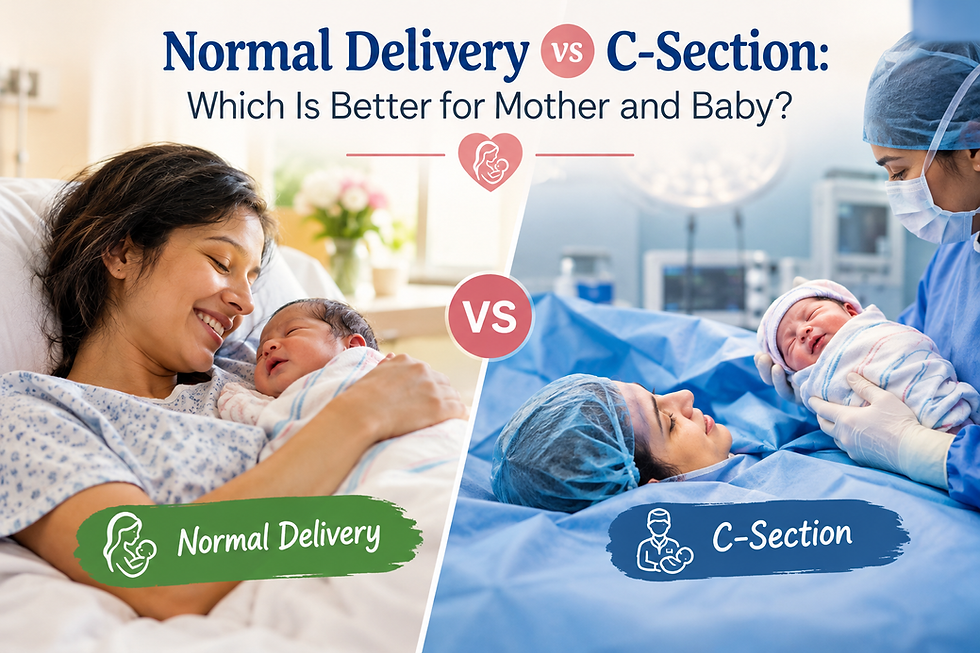
Expecting mothers may also discuss their preferences and concerns regarding normal delivery, assisted delivery, or cesarean birth. While birth preferences are important, the final approach depends on the health and safety of the mother and baby.
A maternity hospital also prepares mothers for possible changes during labor. Understanding the process beforehand can reduce uncertainty and help families feel more prepared.
Emergency Maternity Support
Pregnancy can sometimes involve unexpected situations that require immediate medical attention. Access to emergency maternity services can therefore be an important consideration when choosing a hospital.
Symptoms such as heavy bleeding, severe abdominal pain, severe headache, difficulty breathing, fluid leakage, or significant changes in fetal movement may require prompt medical assessment.
Having maternity services available within a hospital setting allows the healthcare team to evaluate urgent concerns and determine the appropriate treatment without unnecessary delays.
Postpartum Care After Delivery
Maternity support does not end when the baby is born. Postpartum care is an essential part of the pregnancy journey because the mother's body needs time to recover after childbirth.
Healthcare professionals may monitor bleeding, blood pressure, pain, wound healing when applicable, and general recovery. Mothers can also receive guidance regarding nutrition, breastfeeding, physical activity, and newborn care.
Emotional well-being is another important aspect of postpartum support. New mothers may experience significant physical and emotional changes after delivery. Discussing persistent
emotional difficulties with a healthcare professional can help ensure appropriate support.
Newborn Care and Breastfeeding Support
A maternity hospital can also support the baby immediately after birth. Depending on the baby's condition, routine newborn assessments, feeding support, and monitoring may be provided.
Breastfeeding guidance can be particularly valuable for first-time mothers. Healthcare professionals can help mothers understand positioning, attachment, feeding frequency, and common early challenges.
If a newborn requires specialized care, having appropriate pediatric or neonatal support within the hospital can provide an additional level of reassurance for parents.
Nori Hospitals focuses on coordinated mother-and-child healthcare, helping families access maternity and newborn support within the same healthcare environment.
Choosing the Right Maternity Hospital
Choosing a maternity hospital is an important decision that should be based on more than location alone. Expecting parents can consider the qualifications and experience of obstetricians, maternity services, diagnostic facilities, emergency support, newborn care, and availability of specialist services.
It is also useful to understand the hospital's approach to antenatal care, delivery planning, postpartum support, and high-risk pregnancy management. Families should feel comfortable asking questions about available services and discussing their individual pregnancy needs with the medical team.
The right hospital should provide consistent care throughout pregnancy while maintaining clear communication between doctors, nurses, specialists, and the family.
A maternity hospital supports women through many stages of pregnancy, from early prenatal assessment and routine check-ups to fetal monitoring, delivery preparation, emergency care, and postpartum recovery. Regular medical supervision helps doctors identify concerns early and provide care based on the individual needs of the mother and baby.
For expecting parents, choosing the best maternity hospital in Vijayawada can provide access to comprehensive pregnancy care and professional guidance throughout this important journey. A hospital that combines experienced maternity specialists, diagnostic facilities, emergency support, newborn care, and postpartum services can help mothers feel better prepared for childbirth and recovery.
FAQs
1. When should I choose a maternity hospital?
A) It is generally helpful to choose a maternity hospital early in pregnancy so that prenatal care can begin without delays. Early registration also allows you to understand the available maternity and emergency services.
2. What services should a maternity hospital provide?
A) A maternity hospital may provide antenatal consultations, pregnancy scans, laboratory testing, fetal monitoring, labor and delivery care, cesarean delivery when medically required, postpartum care, breastfeeding support, and newborn services.
3. Why are regular antenatal check-ups important?
A) Regular antenatal visits allow healthcare professionals to monitor the mother's health and the baby's growth while identifying potential concerns that may require further evaluation or treatment.
4. Does maternity care continue after delivery?
A) Yes. Postpartum care helps monitor the mother's recovery and provides guidance on breastfeeding, nutrition, newborn care, and other needs following childbirth.


Comments