_edited.png)
How Mother and Child Hospitals Support Safe Deliveries


Childbirth is one of the most significant moments in a family’s life. While it is a natural process, it also requires careful medical attention to ensure the safety of both the mother and the baby. This is where specialized mother and child hospitals play a vital role. Designed exclusively to handle maternity, newborn, and pediatric care, these hospitals provide a secure and supportive environment for safe deliveries.
In cities like Vijayawada, the presence of a dedicated Mother & Child Hospital in Vijayawada has transformed maternal healthcare by offering advanced facilities, experienced specialists, and round-the-clock monitoring. These hospitals focus not just on delivery but on the complete journey—from pregnancy to postnatal care.
The Importance of Specialized Mother and Child Hospitals
Mother and child hospitals are built around the unique needs of women during pregnancy and children during their early years. Unlike general hospitals, they are equipped with focused infrastructure, specialized doctors, and protocols specifically designed for maternal and neonatal care.
This specialization ensures quicker response times, better coordination among medical teams, and a deeper understanding of pregnancy-related complications. As a result, the chances of preventable risks during delivery are significantly reduced.
Comprehensive Antenatal Care for Safer Deliveries
Safe deliveries begin long before labor. Antenatal care is a crucial part of maternal health, and mother and child hospitals prioritize regular monitoring throughout pregnancy.
These hospitals provide structured antenatal programs that include routine checkups, ultrasounds, blood tests, and risk assessments. Doctors closely track the baby’s growth and the mother’s health to identify any potential complications early.
Conditions such as gestational diabetes, high blood pressure, anemia, or fetal growth concerns are detected and managed well in advance, reducing the likelihood of emergencies during delivery.
Experienced Obstetricians and Medical Teams
One of the strongest pillars of safe deliveries is the presence of skilled and experienced obstetricians. Mother and child hospitals employ specialists who are trained to handle both normal and high-risk pregnancies.
These doctors work closely with anesthetists, neonatologists, nurses, and support staff to ensure seamless care during labor. Their experience allows them to make timely decisions, whether it involves assisting a natural delivery or moving quickly to a cesarean section when required.
This coordinated teamwork is a major reason why outcomes are better in specialized maternity hospitals.
Advanced Labor and Delivery Rooms
Modern mother and child hospitals are equipped with well-designed labor and delivery rooms that focus on safety, comfort, and hygiene. These rooms are fitted with advanced fetal monitoring systems that continuously track the baby’s heartbeat and the mother’s vital signs during labor.
Real-time monitoring allows doctors to identify signs of fetal distress or prolonged labor early. Immediate intervention helps prevent complications such as birth asphyxia or maternal exhaustion.
The controlled and sterile environment of these delivery rooms also minimizes the risk of infections.
Handling High-Risk Pregnancies With Precision
High-risk pregnancies require extra care, planning, and expertise. Factors such as advanced maternal age, multiple pregnancies, previous cesarean deliveries, or existing medical conditions can increase risks during childbirth.
Mother and child hospitals are well prepared to manage such cases. They follow personalized birth plans, maintain readiness for emergency interventions, and ensure continuous supervision throughout labor.
For families seeking dependable care at a Mother & Child Hospital in Vijayawada, this level of preparedness provides confidence and reassurance during a critical time.
Emergency Preparedness and Critical Care Support
Even with the best planning, childbirth can be unpredictable. The ability to handle emergencies quickly can make a life-saving difference. Mother and child hospitals maintain 24/7 emergency readiness with fully equipped operation theaters, blood banks, and intensive care units.
If complications such as excessive bleeding, prolonged labor, or fetal distress arise, medical teams can act immediately without delays caused by transfers or referrals. This quick response capability significantly improves safety for both mother and baby.
Role of Cesarean Deliveries in Ensuring Safety
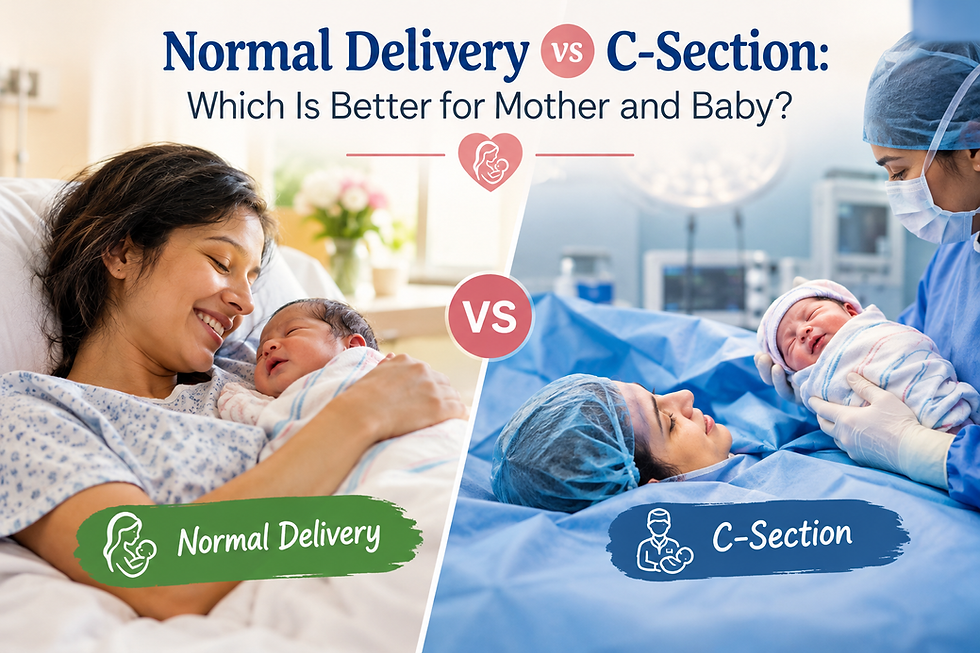
While natural deliveries are preferred when possible, cesarean sections play an essential role in ensuring safe outcomes when complications occur. Mother and child hospitals perform cesarean deliveries only when medically necessary, following strict clinical guidelines.
These hospitals have dedicated operation theaters and trained surgical teams to conduct safe and timely procedures. Proper pre-operative assessment and post-operative care help mothers recover faster while minimizing risks.
The availability of cesarean delivery options within the same facility ensures uninterrupted care during emergencies.
Neonatal Care and Immediate Newborn Support
The moments immediately after birth are critical for a newborn’s health. Mother and child hospitals are equipped with neonatal care units to provide immediate support if required.
Newborns who need extra monitoring, breathing assistance, or temperature regulation receive prompt attention from trained neonatologists and nurses. This early intervention is crucial in preventing long-term health issues.
The presence of neonatal intensive care units within the hospital ensures that babies receive the care they need without being moved to another facility.
Infection Control and Hygiene Standards
Maintaining high hygiene standards is essential during childbirth to prevent infections. Mother and child hospitals follow strict sterilization protocols across labor rooms, operation theaters, and recovery areas.
Staff are trained in infection prevention practices, and facilities are regularly sanitized. These measures protect both mothers and newborns, especially those with weaker immune systems.
Such controlled environments contribute significantly to safer deliveries and smoother recoveries.
Emotional Support and Patient-Centered Care
Safe deliveries are not only about medical procedures; emotional well-being also plays a vital role. Mother and child hospitals emphasize compassionate care, ensuring mothers feel supported and informed throughout the process.
Clear communication from doctors and nurses helps reduce anxiety during labor. Emotional reassurance, privacy, and respectful care contribute to a positive birthing experience, which can also influence recovery and bonding with the baby.
Postnatal Care for Mother and Baby
The support provided by mother and child hospitals continues even after delivery. Postnatal care focuses on monitoring the mother’s recovery and the baby’s adaptation to life outside the womb.
Doctors check for complications such as infections, bleeding, or breastfeeding difficulties. Newborns undergo routine screenings, vaccinations, and health assessments to ensure a healthy start.
This continuous care reduces post-delivery risks and supports long-term well-being.
Breastfeeding Guidance and Newborn Nutrition
Breastfeeding plays a crucial role in a baby’s immunity and development. Mother and child hospitals provide professional guidance to help new mothers initiate and continue breastfeeding successfully.
Lactation consultants assist with positioning, latching, and addressing common challenges. Proper support during the early days improves breastfeeding success and strengthens the mother-baby bond.
Family-Centered Approach to Maternity Care
Many mother and child hospitals follow a family-centered care model, encouraging the involvement of partners and family members during the birthing process. This approach helps create a supportive environment and improves emotional comfort for the mother.
Educating families about childbirth, newborn care, and postnatal recovery ensures everyone is prepared and informed, contributing to a smoother experience.
Why Location-Based Specialized Care Matters
Choosing a nearby Mother & Child Hospital in Vijayawada ensures quick access to medical care during emergencies and regular checkups. Proximity reduces travel stress, especially during labor, and allows families to stay close to home during recovery.
Local hospitals also understand regional health patterns and patient needs, enabling more personalized care.
Trust and Expertise in Mother and Child Healthcare
Over the years, hospitals like Nori Hospital have earned trust by focusing on maternal safety, advanced care, and compassionate treatment. Their commitment to specialized mother and child healthcare reflects the importance of dedicated facilities in ensuring safe deliveries.
When expertise, infrastructure, and empathy come together, childbirth becomes a safer and more positive experience for families.
Ensuring Safe Beginnings for Every Family
Mother and child hospitals play an essential role in supporting safe deliveries by combining medical expertise, advanced technology, and patient-centered care. From antenatal monitoring to emergency preparedness and postnatal support, these hospitals cover every aspect of childbirth.
For families seeking dependable maternity care, choosing a specialized Mother & Child Hospital in Vijayawada offers peace of mind, safety, and the assurance that both mother and baby are in capable hands during one of life’s most important moments.


Great post, the explanations are straightforward and easy to follow. Bhatia Medical Centre is a reliable gynecology clinic Sharjah worth exploring.