_edited.png)
How Many IVF Cycles May Be Needed for Success?

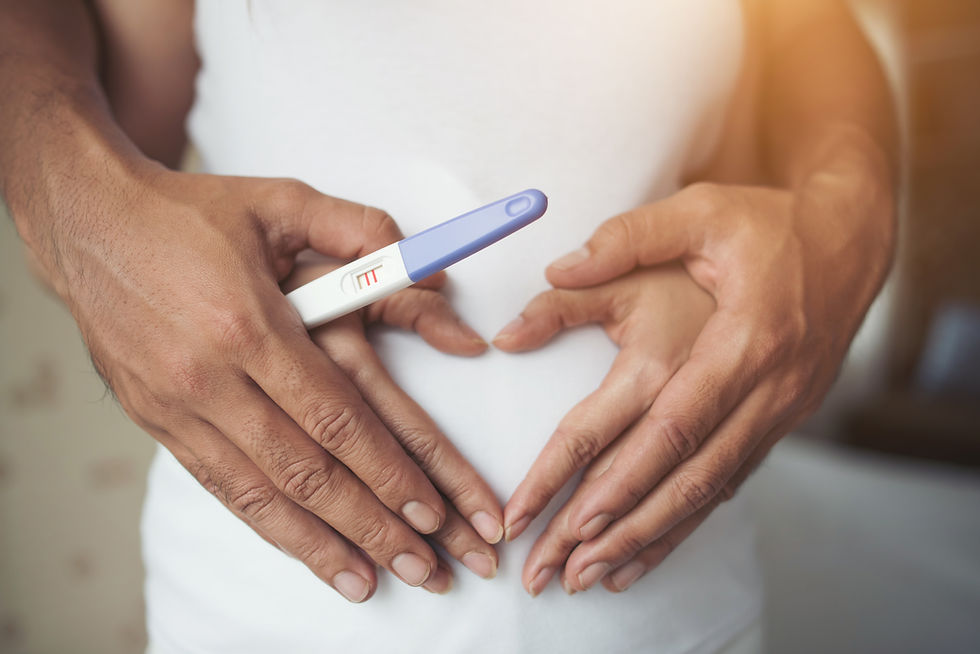
For couples considering in vitro fertilization (IVF), one of the most common questions is: How many IVF cycles may be needed to achieve a successful pregnancy? There is no single number that applies to everyone. Some people may become pregnant after their first IVF cycle, while others may need more than one attempt.
IVF success depends on several factors, including age, ovarian reserve, egg and sperm quality, embryo development, reproductive health, underlying medical conditions, and the cause of infertility. Modern IVF has also improved considerably, and one stimulated cycle can potentially provide more than one opportunity for embryo transfer when multiple embryos are created and frozen. The American Society for Reproductive Medicine (ASRM) notes that cumulative live birth rates can be more informative than looking only at the result of a single embryo transfer.
What Does an IVF Cycle Mean?
An IVF cycle generally involves ovarian stimulation, egg retrieval, fertilization in a laboratory, embryo development, and embryo transfer. Depending on the treatment plan, embryos may be transferred fresh or frozen for later use.
Importantly, one ovarian stimulation cycle does not necessarily mean only one chance of embryo transfer. Several embryos may develop from the eggs retrieved during the same cycle. Suitable embryos can be frozen and transferred later if the first transfer does not result in pregnancy.
This is why fertility specialists may consider the cumulative outcome of an IVF cycle, rather than judging the entire treatment based only on the first transfer. ASRM describes cumulative live birth as an outcome that can include fresh and frozen embryo transfers until a live birth occurs or available embryos are exhausted.
How Many IVF Cycles Are Usually Needed?
There is no standard number of IVF cycles that every patient should undergo. Some patients achieve pregnancy after their first cycle, whereas others may need two or three cycles or additional treatment.
The number of cycles recommended depends on the individual's response to treatment and the reasons IVF was recommended in the first place. If the first cycle produces a good number of viable embryos but the transfer is unsuccessful, a frozen embryo transfer may be considered without repeating the entire ovarian stimulation and egg retrieval process.
If the first cycle produces few or no suitable embryos, the fertility specialist may evaluate whether changes to the stimulation protocol or another approach could improve the next attempt.
Therefore, asking "How many cycles will I need?" is often less useful than asking about the expected cumulative chance of success based on individual circumstances.
Age Can Influence IVF Success
Age is one of the important factors considered when discussing IVF outcomes. As a woman ages, egg quantity and quality generally decline, which can affect fertilization, embryo development, implantation, and the likelihood of having a healthy pregnancy.
Younger patients may have a higher probability of producing embryos capable of resulting in pregnancy, while older patients may require additional attempts depending on ovarian reserve and embryo development.
This does not mean that age alone determines IVF success. Two people of the same age can have very different ovarian reserves, reproductive histories, and treatment responses. A personalized fertility assessment is therefore important before estimating the number of
cycles that may be appropriate.
Egg and Embryo Quality Matter
During IVF, not every retrieved egg becomes a viable embryo. ASRM explains that typically around 70% of mature eggs fertilize, and approximately half of fertilized eggs may continue developing to the blastocyst stage.
This natural attrition explains why doctors cannot guarantee that every IVF cycle will result in a pregnancy.
The number of eggs retrieved is only one part of the picture. Their maturity, fertilization, embryo development, and ultimately embryo quality all influence the chances of success. A cycle that produces several suitable embryos may provide more opportunities for transfer than a cycle in which very few embryos develop.
Why Might More Than One IVF Cycle Be Needed?
An unsuccessful first cycle does not necessarily mean that IVF will not work. There can be several reasons why a pregnancy does not occur.
Some possible factors include:
Limited ovarian response
Poor egg or sperm quality
Fertilization problems
Embryos stopping development
Embryo implantation failure
Uterine or endometrial factors
Age-related changes
Underlying reproductive or medical conditions
A fertility specialist may review the first cycle in detail before recommending another attempt. The response to ovarian stimulation, number of eggs retrieved, fertilization rate, embryo development, endometrial preparation, and transfer outcome can all provide useful
information for planning future treatment.
Does IVF Success Increase With More Cycles?
When considering multiple IVF attempts, it is important to understand the difference between success per cycle and cumulative success.
A single cycle has a specific probability of producing a live birth. If treatment continues with additional appropriate cycles, the overall cumulative probability may increase because there are additional opportunities to achieve pregnancy.
However, this does not mean that every additional cycle guarantees success. The benefit of another cycle depends on factors such as age, ovarian reserve, previous treatment response, embryo availability, and the underlying cause of infertility.
Research and clinical reporting increasingly emphasize cumulative live birth because it can provide a more complete picture of the outcome from IVF treatment than looking at a single embryo transfer alone.
When Should Another IVF Cycle Be Considered?
The decision to undergo another cycle should be individualized. After an unsuccessful attempt, the fertility specialist may first review the previous treatment and determine whether there is a clear reason to modify the approach.
For example, if ovarian stimulation produced fewer eggs than expected, the medication
protocol may be reassessed. If embryo development was limited, the doctor may investigate factors that could have contributed to the outcome.
In some cases, an available frozen embryo may make another transfer possible without another complete stimulation and egg retrieval cycle.
The decision can also depend on the emotional, physical, and financial impact of treatment. Fertility care should take the patient's goals and preferences into account alongside medical considerations.
How Can Patients Prepare for IVF?
Preparing for IVF involves more than simply starting medications. A fertility specialist may review medical history, ovarian reserve, reproductive anatomy, sperm health, previous pregnancies, medications, and other relevant factors.
Maintaining healthy habits can also support general reproductive health. Patients should follow their doctor's recommendations regarding nutrition, physical activity, medications, smoking, alcohol, sleep, and management of existing health conditions.
It is also important to understand that IVF is a medical treatment rather than a guaranteed outcome. Having realistic expectations and understanding the possible stages of treatment can help couples make informed decisions.
IVF is generally considered a safe and established fertility treatment, although, like any medical procedure, it has potential risks.
Choosing the Right Fertility Specialist
Choosing an experienced fertility team can make the treatment process more organized and personalized. The right specialist can assess the factors affecting fertility, explain realistic expectations, discuss available treatment options, and review the outcome of each IVF
attempt.
For couples seeking the best Gynecologists in Vijayawada, it is important to consider the doctor's experience, approach to individualized treatment, fertility evaluation facilities, laboratory support, and the ability to provide appropriate follow-up throughout the treatment journey.
A good fertility consultation should leave patients with a clear understanding of their
treatment plan rather than simply focusing on a promised success percentage. At Nori Hospitals, fertility and gynecological care can be discussed with specialists based on the individual's reproductive history and treatment needs.
What If the First IVF Cycle Does Not Work?
An unsuccessful IVF cycle can be emotionally difficult, but it does not automatically mean that future treatment will fail. The next step should generally involve reviewing what happened during the previous cycle.
The specialist may examine how the ovaries responded, how many eggs were retrieved, fertilization results, embryo development, the type and timing of transfer, and other relevant factors.
Depending on the findings, the next attempt may use the same protocol or a modified treatment strategy. In some cases, additional investigations may be appropriate before proceeding.
The goal should not simply be to complete more cycles. Instead, each treatment decision should be based on the patient's individual circumstances and the information gained from previous treatment.
There is no fixed number of IVF cycles required for success. Some couples may achieve a pregnancy after one attempt, while others may need multiple cycles or embryo transfers. The number depends on age, egg and sperm quality, ovarian reserve, embryo development, reproductive health, previous IVF response, and other individual factors.
Rather than focusing only on the number of cycles, patients should discuss their individual and cumulative chances of success with a qualified fertility specialist. Understanding the treatment process and reviewing each cycle carefully can help create a more appropriate
path toward pregnancy.
FAQs
1. Can IVF be successful in the first cycle?
A) Yes. Some patients achieve pregnancy and live birth following their first IVF cycle. However, success varies significantly between individuals and depends on several medical
and reproductive factors.
2. Is three IVF cycles a common approach?
A) Some patients may undergo multiple IVF cycles, including three or more, but there is no universal rule that everyone should complete three cycles. The decision should be based on age, ovarian reserve, previous treatment response, embryo availability, and overall health.
3. Does a failed first IVF cycle mean the next cycle will fail?
A) No. An unsuccessful first attempt does not necessarily predict failure in subsequent treatment. Doctors can review the first cycle and determine whether changes may be appropriate before another attempt.
4. Can frozen embryos be used after an IVF cycle?
A) Yes. Suitable embryos created during an IVF cycle may be frozen and used for future embryo transfers, depending on the patient's treatment plan. This can provide additional opportunities without necessarily repeating ovarian stimulation and egg retrieval.


Comments