_edited.png)
Best Ways to Boost Your Child's Immunity During Monsoon

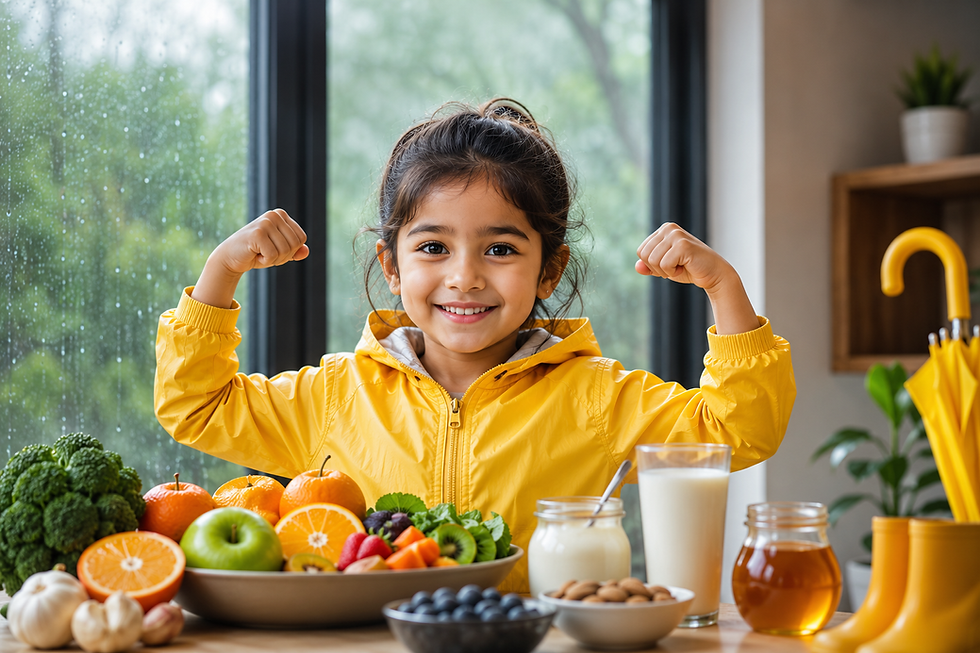
The monsoon season brings welcome relief from the summer heat, but it also creates conditions that allow bacteria, viruses, and mosquitoes to thrive. Children are particularly vulnerable during this time because their immune systems are still developing. Frequent exposure to contaminated water, sudden weather changes, and increased humidity can lead to colds, coughs, viral infections, stomach problems, and mosquito-borne illnesses.
Parents often wonder how they can strengthen their child's immunity and reduce the chances of falling sick during the rainy season. While no method can completely prevent illnesses, healthy habits, balanced nutrition, good hygiene, and timely medical care can significantly improve your child's natural defenses. Consulting the best pediatrician in Vijayawada can also help ensure your child receives personalized guidance based on their age, health condition, and vaccination status.
Why Immunity Matters During the Monsoon
A child's immune system acts as the body's first line of defense against harmful germs. During the monsoon, the risk of infections increases because damp conditions encourage the growth of bacteria, fungi, and viruses. Children often spend more time indoors, where infections can spread quickly through close contact.
A strong immune system helps children recover faster from illnesses and lowers the risk of repeated infections. Developing healthy daily habits early in life supports long-term overall health.
Provide a Balanced and Nutritious Diet
Nutrition plays a major role in strengthening immunity. A well-balanced diet supplies the vitamins, minerals, and proteins required for proper immune function.
Include a variety of fresh fruits and vegetables in your child's meals. Foods rich in Vitamin C, such as oranges, guavas, lemons, and amla, support immune health. Green leafy vegetables, carrots, tomatoes, and pumpkins provide antioxidants that help protect the body from infections.
Protein is equally important for building immunity. Eggs, milk, yogurt, lentils, beans, fish, and lean meat provide the nutrients needed for healthy growth and immune cell production.
Whole grains and healthy fats also contribute to maintaining energy levels and overall wellness.
Keep Your Child Hydrated
Children may not feel as thirsty during the rainy season, but hydration remains essential. Water helps flush toxins from the body and supports normal bodily functions.
Offer clean, filtered, or boiled water throughout the day. Fresh homemade soups, coconut water, and fresh fruit juices without added sugar can also help maintain hydration.
Avoid roadside drinks or beverages prepared with unsafe water, as they may increase the risk of stomach infections.
Encourage Good Personal Hygiene
Maintaining proper hygiene is one of the simplest and most effective ways to prevent infections during the monsoon.
Teach children to wash their hands before eating, after using the restroom, after playing outside, and after coughing or sneezing. Handwashing with soap for at least 20 seconds helps remove harmful germs.
Keep your child's nails trimmed and clean to reduce the accumulation of dirt and bacteria.
Encourage them to avoid touching their eyes, nose, and mouth with unwashed hands.
Ensure Adequate Sleep
Quality sleep allows the body to repair itself and supports healthy immune function.
Children require different amounts of sleep depending on their age. Preschoolers generally need 10 to 13 hours of sleep, while school-age children benefit from 9 to 12 hours each night.
A consistent bedtime routine promotes better sleep quality and supports physical and mental development.
Promote Regular Physical Activity
Rainy weather may limit outdoor activities, but children still need regular exercise to stay healthy.
Indoor activities such as dancing, yoga, stretching, skipping, or simple exercise games help improve blood circulation and strengthen the immune system.
Physical activity also supports healthy weight management and reduces stress, both of which contribute to better overall health.
Keep Your Home Clean and Dry
Humidity during the rainy season encourages mold and bacterial growth.
Ensure proper ventilation in your home and keep living spaces dry. Clean toys, study areas, and frequently touched surfaces regularly.
Wash wet clothes immediately and avoid allowing damp clothing or towels to remain indoors for extended periods.
These simple practices help reduce exposure to germs and allergens.
Protect Your Child from Mosquito-Borne Diseases
Monsoon is also the season for mosquito-borne illnesses such as dengue and malaria.
Prevent water from collecting in flower pots, buckets, coolers, and other containers around your home.
Dress children in full-sleeved clothing whenever possible, especially during the evening. Use child-safe mosquito repellents and mosquito nets while sleeping if needed.
Early prevention significantly reduces the risk of mosquito-related illnesses.
Avoid Street Food During the Rainy Season
Food contamination becomes more common during the monsoon.
Serve freshly prepared homemade meals whenever possible. Wash fruits and vegetables thoroughly before cooking or eating.
Avoid giving children raw or uncovered food sold outdoors, as contaminated food may cause diarrhea, vomiting, and other gastrointestinal infections.
Freshly cooked meals are generally safer and provide better nutritional value.
Keep Vaccinations Up to Date
Routine immunizations protect children against several serious infectious diseases.
Parents should ensure that vaccination schedules are followed according to their pediatrician's recommendations. Depending on your child's age and medical history, your doctor may also recommend additional preventive measures during the rainy season.
Regular health checkups with the best pediatrician in Vijayawada help identify nutritional deficiencies, monitor growth, and address health concerns before they become serious.
Recognize Early Warning Signs of Illness
Although many seasonal infections are mild, some symptoms require prompt medical attention.
Watch for signs such as persistent high fever, breathing difficulty, severe cough, repeated vomiting, dehydration, poor feeding, unusual sleepiness, skin rashes, or reduced urination.
Seeking medical advice early helps prevent complications and supports faster recovery.
Build Healthy Daily Habits
Strong immunity develops over time through consistent healthy routines.
Encourage your child to:
Eat freshly prepared nutritious meals.
Wash hands regularly.
Stay physically active every day.
Drink enough clean water.
Sleep on time.
Small daily habits create lasting health benefits and reduce the chances of seasonal illnesses.
When to Visit a Pediatrician
Parents should not ignore symptoms that persist for more than a few days or worsen despite home care.
Children with repeated infections, prolonged fever, dehydration, wheezing, breathing problems, or poor appetite should be evaluated by a healthcare professional. Early diagnosis often leads to faster treatment and prevents complications.
For expert pediatric care and guidance, Nori Hospitals offers experienced specialists who help parents manage seasonal illnesses while supporting children's healthy growth and development.
The rainy season brings unique health challenges for children, but simple preventive measures can make a significant difference. A nutritious diet, proper hydration, regular sleep, good hygiene, physical activity, mosquito protection, and timely vaccinations all contribute to a stronger immune system.
Parents should also remain alert to early signs of illness and seek medical care whenever necessary. Regular consultations with the best pediatrician in Vijayawada ensure children receive the right preventive care and treatment throughout the monsoon season. By following these healthy practices consistently, families can enjoy the rainy season while keeping children active, happy, and healthy.
FAQs
1. What foods help boost my child's immunity during the monsoon?
A) Fresh fruits, green vegetables, whole grains, yogurt, eggs, lentils, nuts, and protein-rich foods provide essential nutrients that support a healthy immune system.
2. How can I prevent my child from getting sick during the rainy season?
A) Maintain good hygiene, provide nutritious meals, ensure adequate sleep, keep your child hydrated, avoid contaminated food, protect against mosquitoes, and follow vaccination
schedules.
3. When should I consult the best pediatrician in Vijayawada during the monsoon?
A) Seek medical advice if your child has a high fever, persistent cough, breathing difficulty, repeated vomiting, diarrhea, dehydration, poor appetite, or symptoms that do not improve within a few days.
4. Can children play outside during the rainy season?
A) Yes, children can play outdoors when the weather is safe. Ensure they wear appropriate clothing, avoid stagnant water, dry themselves thoroughly after getting wet, and wash their hands and feet after returning home.


Comments