_edited.png)
A Practical Guide to Gestational Diabetes During Pregnancy


Pregnancy is an exciting journey filled with many physical and emotional changes. Along with regular prenatal care, expectant mothers undergo several health screenings to ensure both mother and baby remain healthy throughout pregnancy. One condition that deserves special attention is Diabetes in Pregnancy, commonly known as gestational diabetes. While receiving this diagnosis can feel overwhelming, the good news is that it is manageable with timely diagnosis, proper nutrition, regular monitoring, and expert medical guidance.
Diabetes in Pregnancy develops when hormonal changes during pregnancy affect the body's ability to use insulin effectively. As a result, blood sugar levels rise, increasing the risk of complications if left untreated. Fortunately, with modern healthcare, early screening, and personalized treatment plans, most women with gestational diabetes go on to have healthy pregnancies and healthy babies.
This comprehensive guide explains everything you need to know about Diabetes in Pregnancy, including its causes, symptoms, diagnosis, treatment options, possible complications, and practical tips for maintaining a healthy pregnancy.
What Is Diabetes in Pregnancy?
Diabetes in Pregnancy refers to high blood glucose levels that first develop during pregnancy. It most commonly appears during the second or third trimester when pregnancy hormones make it harder for insulin to work efficiently.
Insulin is a hormone produced by the pancreas that helps move glucose from the bloodstream into cells for energy. During pregnancy, hormones produced by the placenta can reduce insulin sensitivity, causing blood sugar to rise.
Unlike Type 1 or Type 2 diabetes, gestational diabetes usually resolves after childbirth. However, women who experience it have a higher chance of developing Type 2 diabetes later in life, making long-term follow-up important.
Why Does Gestational Diabetes Develop?
Several hormonal changes occur during pregnancy to support the growing baby. These hormones can interfere with insulin action, creating insulin resistance.
Normally, the pancreas compensates by producing more insulin. However, when it cannot produce enough insulin to overcome this resistance, Diabetes in Pregnancy develops.
Although the condition is common, it does not mean a mother has done anything wrong. It is simply the result of complex hormonal and metabolic changes.
Risk Factors for Diabetes in Pregnancy
While gestational diabetes can affect anyone, certain factors increase the likelihood.
Women may be at greater risk if they:
Are overweight before pregnancy
Have a family history of diabetes
Experienced gestational diabetes in a previous pregnancy
Have polycystic ovary syndrome (PCOS)
Are older than 25 years
Previously delivered a baby weighing more than 4 kg
Have high blood pressure
Lead a sedentary lifestyle
Having one or more risk factors does not guarantee developing the condition, but it makes regular prenatal screening especially important.
Symptoms of Diabetes in Pregnancy
Many women with experience no noticeable symptoms, which is why routine screening is essential.
When symptoms occur, they may include:
Increased thirst
Frequent urination
Persistent fatigue
Blurred vision
Increased hunger
Recurrent infections
Slow wound healing
Since many of these symptoms are also common during normal pregnancy, laboratory testing remains the most reliable way to diagnose gestational diabetes.
When Is Screening Recommended?
Most pregnant women undergo screening between 24 and 28 weeks of pregnancy.
Women considered high-risk may be tested during the first prenatal visit and screened again later if initial results are normal.
Early diagnosis allows healthcare providers to start treatment before complications develop.
Tests Used to Diagnose Diabetes in Pregnancy
Several blood tests help diagnose gestational diabetes.
Glucose Challenge Test (GCT)
This initial screening involves drinking a glucose solution followed by a blood sugar test after one hour.
If blood sugar levels are higher than expected, additional testing is recommended.
Oral Glucose Tolerance Test (OGTT)
The OGTT is considered the gold standard for diagnosing Diabetes in Pregnancy.
After fasting overnight, blood sugar levels are measured before and after drinking a glucose solution at scheduled intervals.
The results help determine whether gestational diabetes is present.
Routine Blood Sugar Monitoring
Women diagnosed with gestational diabetes are encouraged to monitor blood glucose regularly throughout pregnancy to ensure levels remain within target ranges.
How Diabetes in Pregnancy Affects the Mother
Without proper management, elevated blood sugar levels may increase the risk of pregnancy-related complications.
Possible maternal complications include:
Pregnancy-induced hypertension
Preeclampsia
Increased likelihood of cesarean delivery
Excessive amniotic fluid
Preterm labor
Higher risk of Type 2 diabetes after pregnancy
Fortunately, maintaining healthy blood sugar significantly reduces these risks.
How Diabetes in Pregnancy Affects the Baby
High maternal blood glucose crosses the placenta, causing the baby's pancreas to produce extra insulin.
Possible effects include:
Excessive birth weight (macrosomia)
Birth injuries during delivery
Premature birth
Low blood sugar after birth
Breathing difficulties
Increased risk of obesity later in life
Greater chance of developing Type 2 diabetes in adulthood
Regular prenatal care greatly minimizes these complications.
Managing Diabetes in Pregnancy
The goal of treatment is maintaining blood sugar within healthy limits while ensuring proper nutrition for both mother and baby.
Most women successfully manage the condition without major medical intervention.
Healthy Nutrition
Nutrition forms the foundation of gestational diabetes management.
A balanced meal plan includes:
Whole grains
Fresh vegetables
Fruits in controlled portions
Lean protein
Healthy fats
High-fiber foods
Simple sugars, processed snacks, sugary beverages, and refined carbohydrates should be limited.
Eating smaller meals throughout the day often helps maintain stable glucose levels.
Physical Activity
Regular exercise improves insulin sensitivity and helps regulate blood sugar naturally.
Suitable activities during pregnancy include:
Walking
Prenatal yoga
Swimming
Light stretching
Exercise recommendations should always be discussed with a healthcare provider.
Blood Sugar Monitoring
Self-monitoring allows mothers to understand how meals and activities influence glucose levels.
Healthcare providers usually recommend checking blood sugar:
Before breakfast
One or two hours after meals
Before bedtime if necessary
Monitoring provides valuable information for adjusting diet and treatment.
Medication When Needed
Lifestyle changes successfully control blood sugar in many women.
However, some require medication.
Treatment may include:
Insulin therapy
Pregnancy-safe oral diabetes medication
Healthcare providers determine the safest treatment based on individual blood sugar patterns.
Importance of Regular Prenatal Checkups
Frequent prenatal visits become even more important after a diagnosis of Diabetes in Pregnancy.
Healthcare providers monitor:
Maternal blood pressure
Baby's growth
Amniotic fluid levels
Placental health
Blood glucose records
This close observation helps identify concerns early and ensures timely intervention.
Labor and Delivery Considerations
Delivery planning depends on several factors, including blood sugar control, baby's size, maternal health, and overall pregnancy progress.
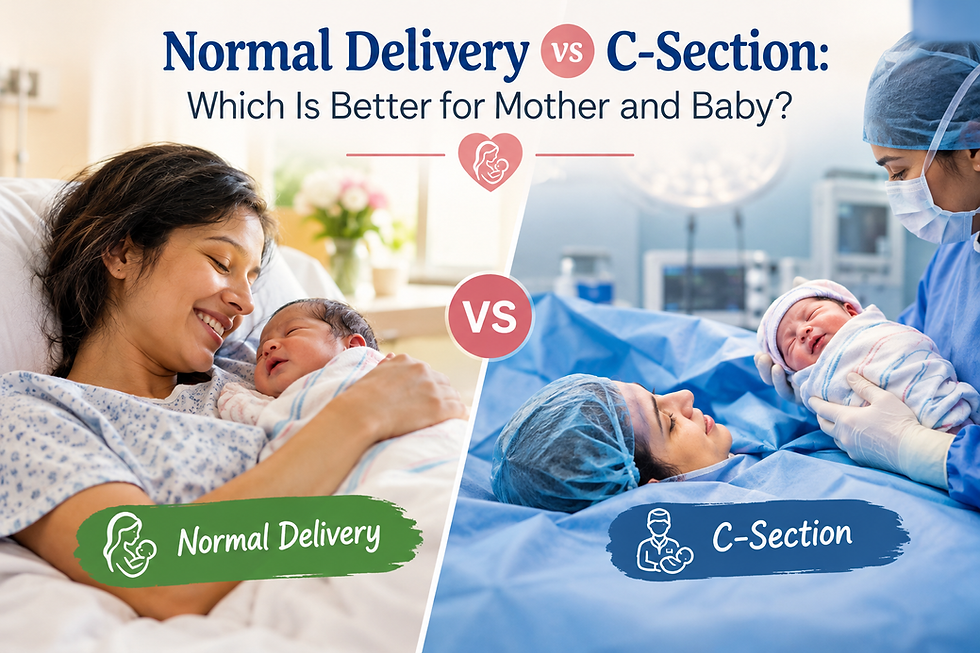
Women with well-controlled gestational diabetes often have uncomplicated vaginal deliveries.
If the baby becomes significantly larger or complications arise, cesarean delivery may be recommended.
Blood sugar continues to be monitored throughout labor.
What Happens After Delivery?
In most cases, blood sugar levels return to normal within days after childbirth.
However, postpartum care remains essential.
Healthcare providers typically recommend:
Blood sugar testing 6–12 weeks after delivery
Regular diabetes screening every few years
Maintaining healthy body weight
Continuing balanced nutrition
Remaining physically active
These lifestyle habits reduce future diabetes risk.
Breastfeeding and Gestational Diabetes
Breastfeeding offers numerous benefits for both mother and baby.
It may help:
Improve maternal glucose metabolism
Support postpartum weight loss
Lower future diabetes risk
Strengthen infant immunity
Reduce childhood obesity risk
Mothers with gestational diabetes are generally encouraged to breastfeed whenever possible.
Preventing Diabetes in Future Pregnancies
Although gestational diabetes cannot always be prevented, several healthy habits reduce the likelihood.
Helpful preventive strategies include maintaining a healthy weight before pregnancy, exercising regularly, eating nutritious meals, attending routine prenatal visits, and monitoring blood sugar if recommended.
Women who experienced Diabetes in Pregnancy once should inform their healthcare provider before future pregnancies so early screening can be arranged.
Emotional Well-Being During Pregnancy
A diagnosis of gestational diabetes can cause anxiety, but emotional support is equally important.
Speaking openly with healthcare professionals, family members, and nutrition experts helps mothers feel more confident in managing their pregnancy.
Remember that gestational diabetes is one of the most carefully monitored pregnancy conditions, and with appropriate care, the outlook is overwhelmingly positive.
The Importance of Specialized Maternity Care
Managing Diabetes in Pregnancy requires collaboration between obstetricians, diabetologists, dietitians, and fetal medicine specialists.
Receiving care from experienced healthcare professionals ensures individualized treatment plans, close monitoring, and timely interventions whenever necessary. Institutions such as
Nori Hospital emphasize comprehensive prenatal care to support healthy outcomes for both mother and baby.
A diagnosis of Diabetes in Pregnancy may seem concerning at first, but it is a highly manageable condition when detected early. Routine screening, balanced nutrition, regular physical activity, blood sugar monitoring, and consistent prenatal care significantly reduce the risks associated with gestational diabetes.
Every pregnancy is unique, and treatment plans should always be personalized. Working closely with experienced healthcare professionals helps ensure that both mother and baby remain healthy throughout pregnancy and beyond. By understanding the condition, following medical advice, and adopting healthy lifestyle habits, women with gestational diabetes can confidently look forward to a safe pregnancy, a healthy delivery, and a strong start for their newborn.
Frequently Asked Questions
1. What causes Diabetes in Pregnancy?
A) Hormonal changes during pregnancy can reduce the body's ability to use insulin effectively, leading to elevated blood sugar levels.
2. Can Diabetes in Pregnancy be controlled without medication?
A)Yes. Many women successfully manage gestational diabetes through healthy eating, regular physical activity, and routine blood sugar monitoring. Some may require medication if lifestyle changes are insufficient.
3. Does gestational diabetes disappear after delivery?
A)In most cases, blood sugar returns to normal after childbirth. However, women who have had gestational diabetes remain at increased risk of developing Type 2 diabetes later in life.
4. Is it possible to have a healthy baby with Diabetes in Pregnancy?
A)Yes. With early diagnosis, proper treatment, regular prenatal care, and good blood sugar control, most women with gestational diabetes have healthy pregnancies and healthy babies.


Comments